Entwürfe im Sommersemster 2026
Beyond Camps: Co-Designing Urban Futures for Displaced and Host Communities in Abuja
Klasse Entwerfen und Städtebau - Prof. Fabienne Hoelzel, AM Lisa Dautel, AM Metadel Sileshu

7,000+ people.
Displacement upon displacement.
Women are the infrastructure.
Infrastructure as Dignity.
Come build otherwise.
This design studio addresses one of Nigeria's most urgent humanitarian and urban challenges: the long-term integration of internally displaced persons fleeing Boko Haram violence and climate-induced displacement in Northern Nigeria into host communities in the Abuja region. With limited prospects for return, the studio reframes displacement not as a temporary condition but as an occasion to develop sustainable, inclusive, and dignified settlement strategies that benefit both IDPs—predominantly women and children—and the host communities receiving them.
The studio begins from a refusal. It refuses to design camps—temporary emergency structures that routinely become permanent under conditions of chronic displacement. It refuses to treat displaced people as a population to be managed and host communities as passive backdrop. And it refuses the assumption that dignified urban integration is primarily a technical problem awaiting a technical solution.
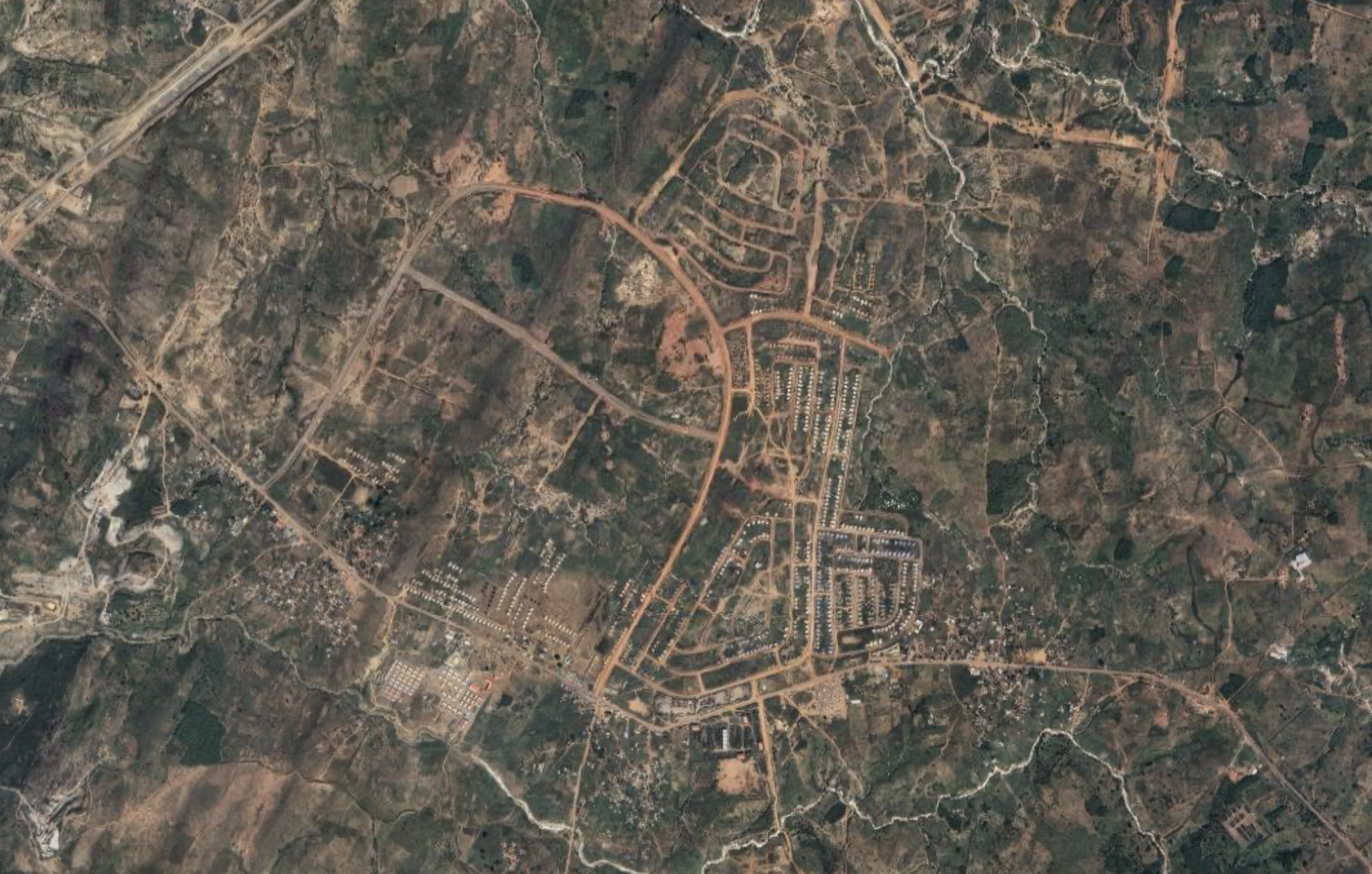
Instead, the studio develops three radical urban design scenarios for Wassa. Each scenario is structured around a different central question, a different analytical commitment, and a different spatial proposition. They are developed in parallel precisely because radicality requires commitment: a proposal that tries to be everything will be nothing. Students are expected to defend their scenario's position—and, through the structured scenario collision session midway through the semester, to understand where their proposal falls short and where another scenario compensates.
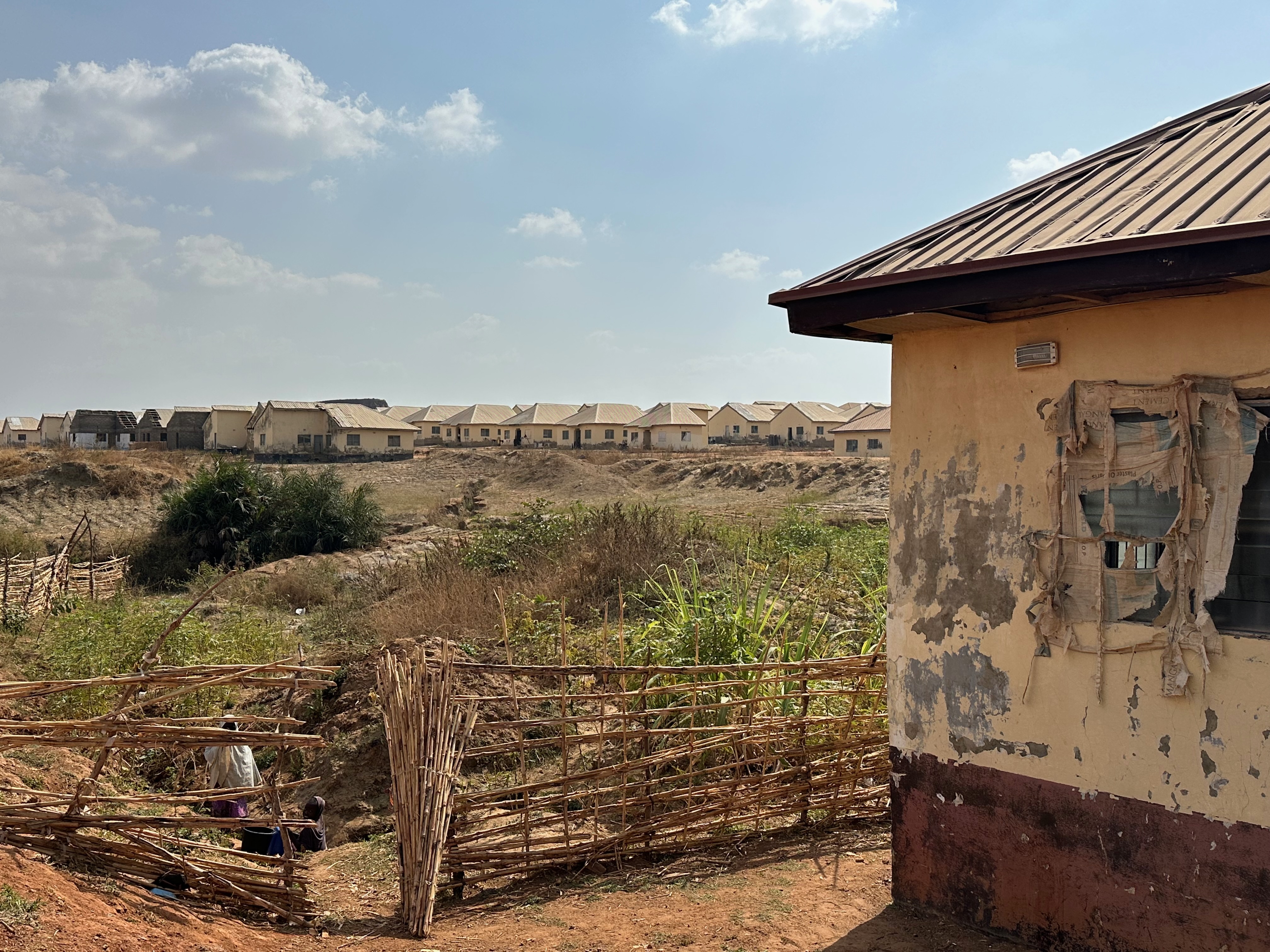
The semester operates across two interconnected scales. At the architectural scale, proposals focus on housing typologies that enable incremental construction and modification by residents, with particular attention to women's agency in building and adapting their own spaces. At the urban design scale, proposals develop spatial strategies for integrating IDP and host populations into a shared settlement structure, ensuring access to infrastructure, services, and economic opportunity for all residents.
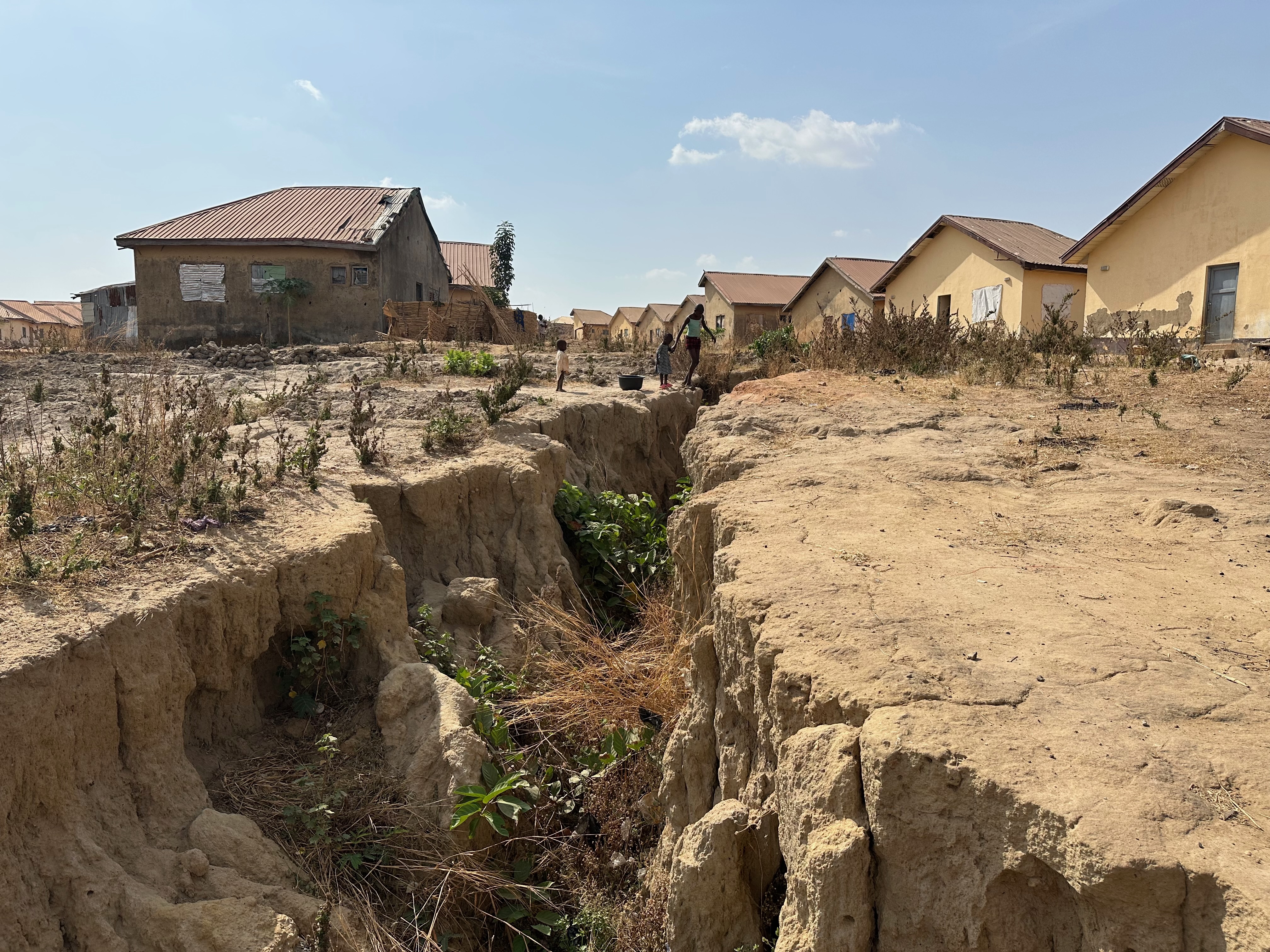
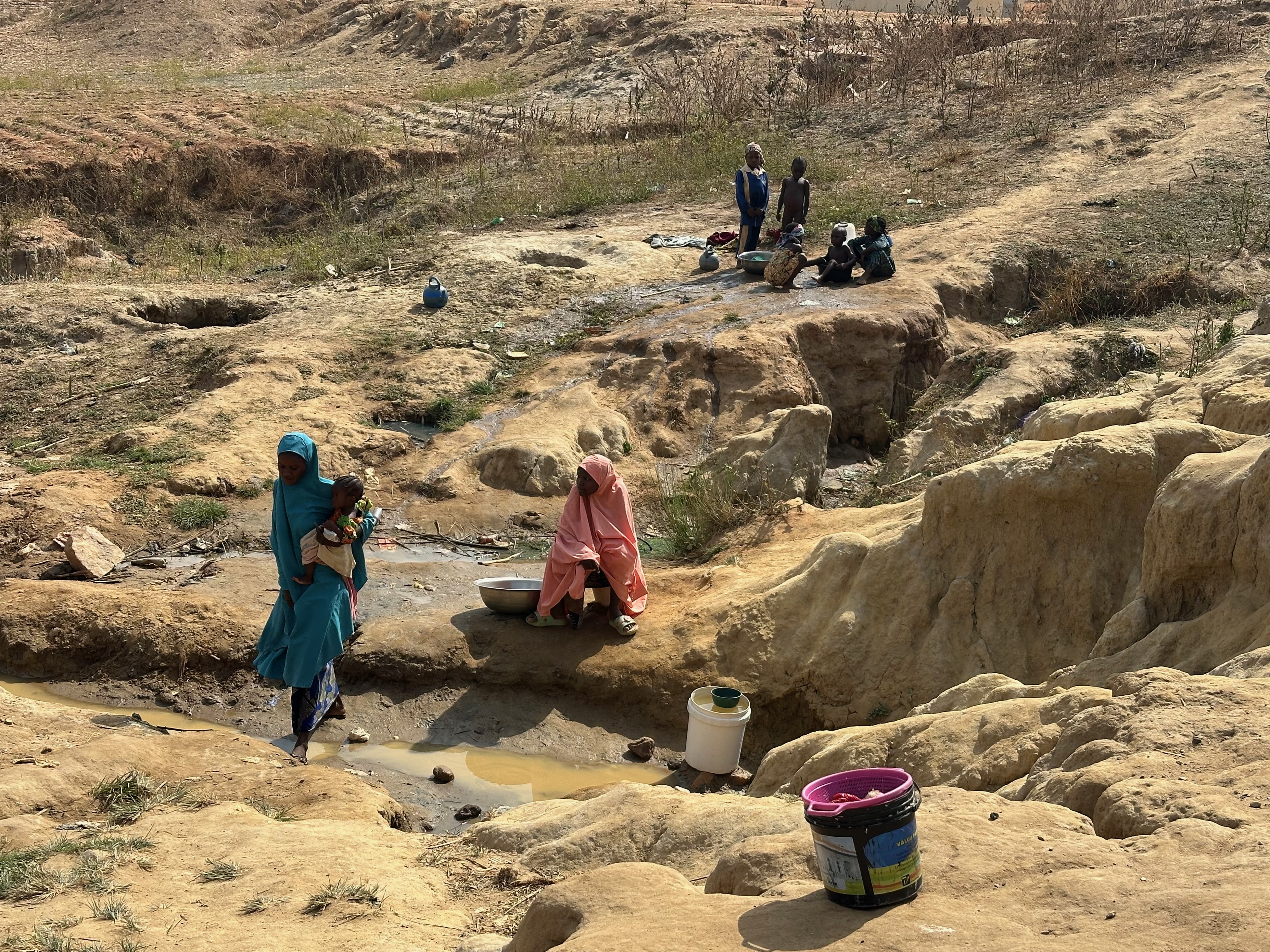
The studio is conducted in collaboration with the University of Lagos, the University of Abuja, and the Heinrich Böll Stiftung Abuja. The semester culminates in two public exhibitions: the Rundgang at ABK Stuttgart in July and a subsequent exhibition at the Heinrich Böll Stiftung Abuja in October 2026, where the work will be presented to policymakers, practitioners, NGOs, and affected communities.
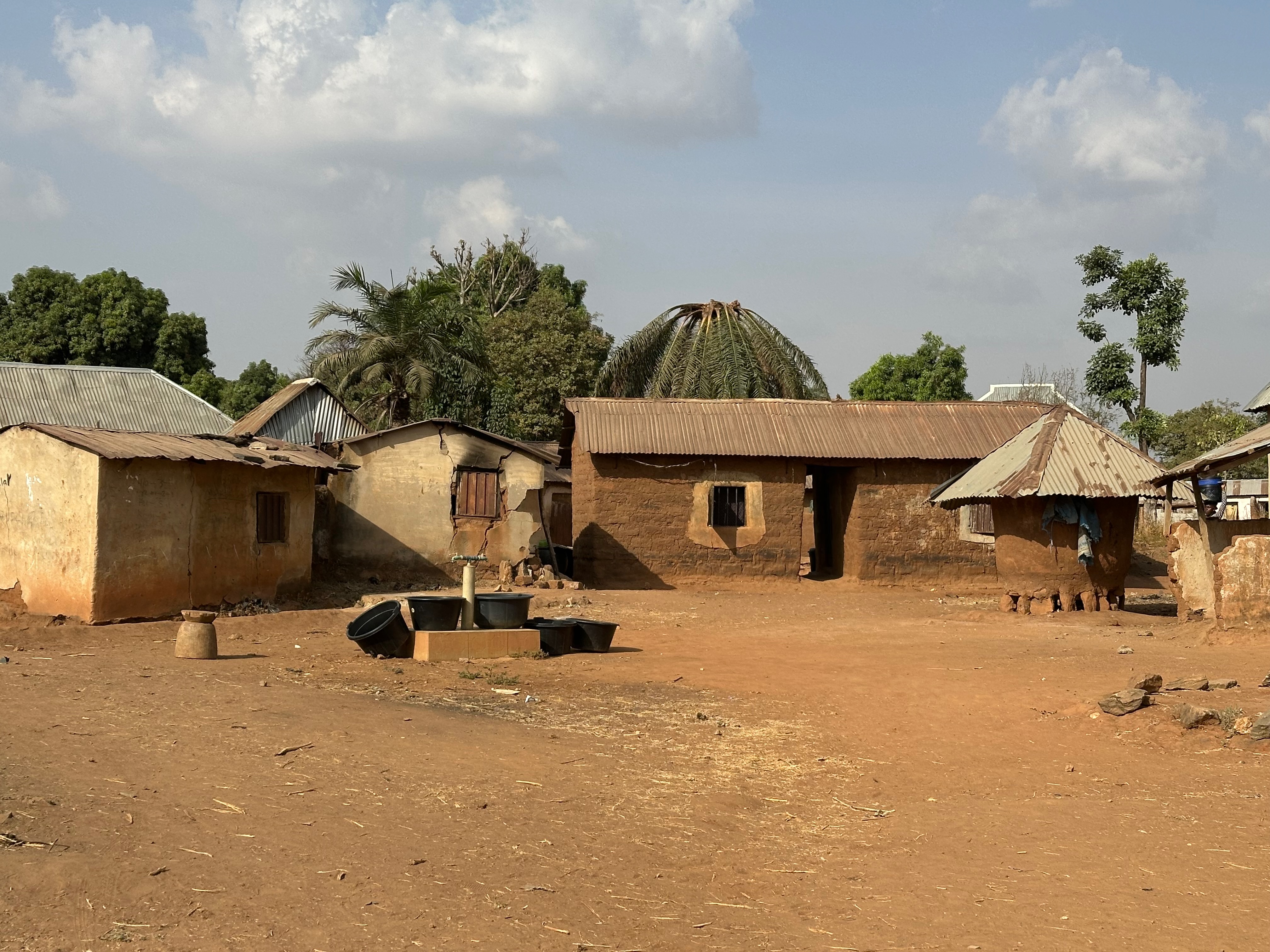
Studio days:
Wednesdays, 9:00–18:00, Room 206 / 208
Key dates:
Pre-Finals: Wed, June 3, 2026
Finals: Wed, June 17, 2026
Rundgang: July 17–19, 2026
Exhibition Abuja: October 2026
ECTS:
Studio 12.5
Research Briefs 5
Rundgang 2.5
Publication 5
Language of instruction and presentation:
English
Registration:
Via the portal or for pre-registration please contact Lisa Dautel (Lisa.dautel@abk-stuttgart.de)